
Although electronic payment methods have become increasingly popular, cheques continue to be used in many personal, business, and commercial transactions. They provide a secure method of transferring money without the need to carry cash and create a documented payment record. However, like every payment instrument, cheques have both advantages and limitations that users should understand before choosing them as a payment method.
Understanding the advantages and disadvantages of cheques helps individuals, businesses, and students evaluate when cheque payments remain appropriate and how they compare with modern digital payment systems.
Table of Contents
ToggleWhat is Cheque
A cheque is a written order given by an account holder (drawer) to a bank, instructing it to pay a specified amount of money to a particular person or organization (payee).
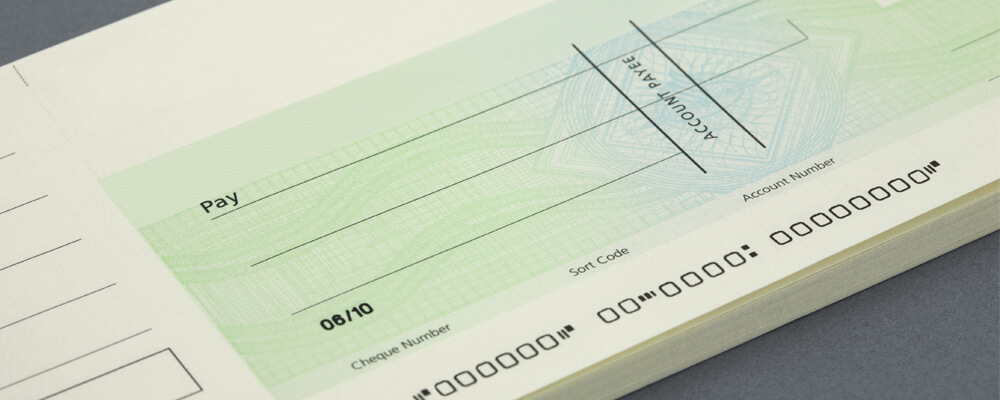
It is issued on a printed form provided by the bank and includes key details such as the name of the payer, the payee, the amount, and the signature of the issuer. The signature acts as legal authorization for the bank to process the payment.
When a cheque is presented to the bank, it goes through a clearing process. Once approved, the specified amount is transferred from the payer’s account to the payee’s account.
Cheques provide a convenient way to make payments, especially for larger amounts, as they eliminate the need to carry physical cash. They also serve as a record of transactions, which is useful for financial tracking and accountability.
Why are Cheques Still Important?
Despite the rapid growth of electronic banking and digital payments, cheques continue to serve important purposes in many commercial and institutional transactions. Businesses often use cheques because they provide clear payment records, support internal financial controls, and remain widely accepted in situations where electronic payment methods may not be practical.
Cheques also continue to be used for legal settlements, government payments, business transactions, and other situations where documented proof of payment is valuable.
Advantages and Disadvantages of Cheques
Cheques offer several benefits, but they also come with certain limitations. Understanding both sides helps in deciding when and how to use them effectively.
Advantages of Cheques
| Advantage | Explanation |
|---|---|
| Safer Than Carrying Cash | Reduces the need to transport large amounts of money |
| Payment Record | Creates documentary evidence of payment |
| Convenient for Businesses | Simplifies business transactions and accounting |
| Flexible Payment Method | Can be crossed or endorsed where permitted |
| Suitable for Large Payments | Enables secure transfer of substantial amounts through the banking system |
Cheques are widely used because they offer convenience, security, and flexibility in financial transactions.
One of the main advantages is that they eliminate the need to carry large amounts of cash. This reduces the risk of theft or loss, especially when dealing with high-value payments.
Cheques also provide a clear record of transactions. Every cheque issued or received is documented by the bank, which helps individuals and businesses maintain accurate financial records. This is particularly useful for accounting and auditing purposes.
Another advantage is the level of security they offer. If a cheque is lost or stolen, the drawer can request a stop payment from the bank, preventing misuse. This makes cheques safer compared to cash transactions.
Cheques are also easy to use and can be sent through mail or courier services, making them suitable for remote payments. They are especially helpful in situations where digital payment options are not available or preferred.
Additionally, cheques are generally less expensive compared to some other payment methods like money orders. They also allow for better financial management, as bank statements or returned cheque records help track spending habits.
Disadvantages of Cheques
| Disadvantage | Explanation |
|---|---|
| Risk of Dishonor | Payment may be refused if banking requirements are not met |
| Processing Time | Collection may take longer than instant electronic payments |
| Possibility of Fraud | Forgery or unauthorized alteration can occur if security measures are ignored |
| Declining Usage | Digital payment methods are replacing cheques in many transactions |
| Banking Procedures | Proper completion and compliance with banking rules are required |
Despite their advantages, cheques have several limitations that must be considered.
One of the major drawbacks is the risk of fraud or forgery. Cheques can be altered, duplicated, or misused if they fall into the wrong hands. This makes it important to handle them carefully and only issue them to trusted parties.
Another disadvantage is the time required for cheque clearance. Unlike instant digital payments, cheques may take several days to process, which can delay access to funds for the payee.
There may also be additional charges associated with cheque usage. Banks may charge fees for issuing cheque books, processing cheques, or maintaining a minimum balance.
Cheques are not always suitable for small transactions, as they can be inconvenient compared to cash or digital payments. Moreover, not all businesses or merchants accept cheques, especially in fast-paced retail environments.
In some cases, banks require account holders to maintain a minimum balance. Failure to do so may result in penalties or service charges, adding to the cost of using cheques.
How to Write a Cheque
Writing a cheque correctly is essential to ensure that it is processed without any issues. Even small mistakes can lead to delays or dishonor of the cheque.
1. Write the Date
Start by writing the date on the top right corner of the cheque. This indicates when the cheque is issued and helps determine its validity period.
2. Write the Payee’s Name
On the line that begins with “Pay,” write the name of the person or organization to whom the payment is being made. Make sure the name is accurate and clearly written.
3. Enter the Amount in Figures
Write the amount you wish to pay in numerical form in the designated box. Ensure that the amount is correct and clearly written to avoid confusion.
4. Write the Amount in Words
Below the payee’s name, write the amount in words. This serves as a confirmation of the amount written in figures and helps prevent alterations or fraud.
5. Fill the Memo Line (Optional)
The memo line can be used to add additional details about the payment, such as an invoice number or purpose of the payment. While optional, it can be helpful for record-keeping.
6. Sign the Cheque
Finally, sign the cheque at the bottom right corner. The signature must match the one registered with the bank. Without a valid signature, the cheque will not be processed.
Cheques vs Digital Payments
This section adds strong SEO value because users often compare payment methods.
| Cheques | Digital Payments |
|---|---|
| Paper-based payment instrument | Electronic transfer of funds |
| May require physical deposit | Often processed online or through mobile applications |
| Processing may take longer | Frequently offers faster settlement |
| Creates a physical payment document | Creates an electronic transaction record |
| Common in some business transactions | Increasingly preferred for everyday consumer payments |
Frequently Asked Questions (FAQs)
What is a cheque?
A cheque is a written order directing a bank to pay a specified amount of money from the drawer’s account to the payee or another authorized party.
What are the main advantages of cheques?
Cheques provide payment security, create documentary records, reduce the need to carry cash, and support business accounting.
What are the disadvantages of cheques?
Common disadvantages include slower processing, the possibility of dishonor, fraud risks, and declining acceptance in some sectors.
Are cheques still used today?
Yes. Although digital payments are increasingly common, cheques remain important for many business, legal, and institutional transactions.
Which is better: a cheque or an electronic payment?
The answer depends on the purpose of the transaction. Electronic payments are generally faster, while cheques may offer advantages in documentation, financial controls, or situations where paper-based payment is preferred.
Conclusion
Cheques continue to be an important payment instrument because they provide security, documentary evidence, and flexibility in many business and commercial transactions. Understanding both the advantages and disadvantages of cheques enables individuals and organizations to choose the most appropriate payment method for different financial situations.
As banking increasingly adopts digital payment technologies, the use of cheques has declined in many areas but remains valuable in specific commercial, legal, and institutional contexts. A balanced understanding of their strengths and limitations helps users manage financial transactions more effectively and responsibly.