
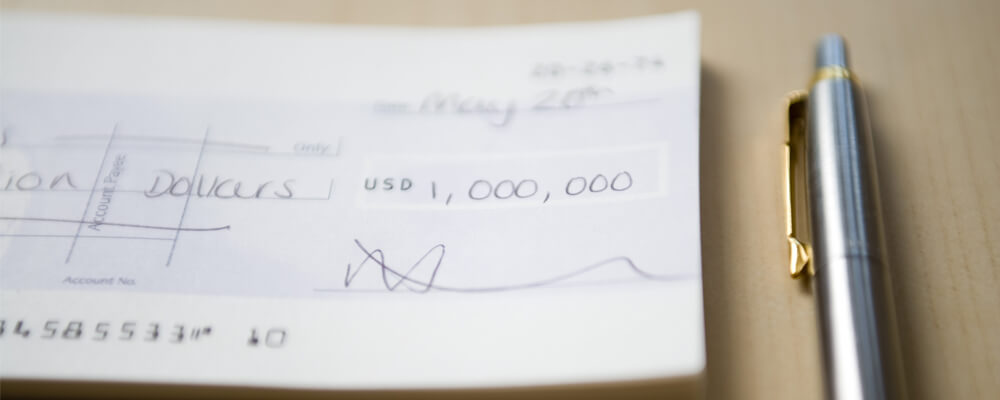

Cheques remain an important payment instrument in many banking systems, particularly for business and commercial transactions. However, a cheque is not always honored by the bank. When a bank refuses to make payment because legal or banking requirements have not been satisfied, the cheque is said to be dishonored. Understanding the reasons for dishonor helps individuals and businesses reduce payment disputes and comply with banking procedures.
Dishonor of a cheque occurs when the paying bank refuses to honor a cheque presented for payment due to valid legal, procedural, or financial reasons. Learning the common causes and legal consequences of cheque dishonor enables account holders to avoid costly mistakes and manage financial transactions more effectively.
Table of Contents
ToggleWhat is Dishonor of Cheque
Dishonor of cheque occurs when a bank refuses to honor or pay the amount mentioned on a cheque when it is presented for payment.
In such cases, the cheque is returned unpaid along with a reason provided by the bank. This refusal may arise due to issues related to the account, the cheque itself, or instructions given by the account holder.
Once a cheque is dishonored, the payee loses the assurance of receiving payment through that instrument. It may also lead to legal action against the issuer, especially if the dishonor is due to insufficient funds or intentional default.
Dishonor of cheque not only affects financial transactions but can also damage the credibility and trustworthiness of the issuer in business dealings.
Why is Understanding Cheque Dishonor Important?
Understanding cheque dishonor helps account holders, businesses, and banking professionals recognize the circumstances in which payment may lawfully be refused. It promotes proper financial management, reduces commercial disputes, and encourages compliance with banking requirements such as maintaining sufficient funds and issuing correctly completed cheques.
Knowledge of cheque dishonor is also important because the legal consequences and available remedies may differ depending on the reason for the bank’s refusal and the applicable law.
Example of Cheque Dishonor
A wholesaler receives a cheque from a retailer for payment of goods supplied. When the cheque is presented to the bank, payment is refused because there are insufficient funds in the retailer’s account. The wholesaler informs the retailer, who later resolves the issue by making payment through another agreed method. Depending on the applicable law and the circumstances, additional legal or contractual remedies may also be available.
Reasons for Dishonor of Cheque
| Reason | Explanation |
|---|---|
| Insufficient Funds | The account balance is not enough to cover the cheque amount |
| Signature Mismatch | The signature does not match the bank’s records |
| Stale Cheque | The cheque is presented after its period of validity has expired |
| Stop Payment Instruction | The drawer has instructed the bank not to honor the cheque |
| Material Alteration | Unauthorized changes have been made to the cheque |
| Closed or Frozen Account | The account cannot be used for payment |
There are several reasons why a cheque may be dishonored. These reasons generally relate to errors in the cheque, lack of funds, or issues with the bank account.
1. Insufficient Funds
One of the most common reasons for the dishonor of a cheque is insufficient funds in the account of the issuer.
When the balance in the account is not enough to cover the amount written on the cheque, the bank will refuse to process it. The cheque is returned with a remark indicating that there are not enough funds available.
This situation can lead to penalties, bank charges, and possible legal consequences for the issuer.
2. Closure of Bank Account
A cheque will also be dishonored if the account from which it is drawn has been closed.
Since the account no longer exists, the bank cannot process the payment. This often happens when the cheque is issued long before it is presented, and the account is closed in the meantime.
3. Signature Does Not Match
Banks maintain specimen signatures of account holders. If the signature on the cheque does not match the recorded signature, the bank will refuse to honor it.
This is a security measure to prevent fraud and unauthorized transactions. Even minor differences in signature style can sometimes lead to dishonor.
4. Post-Dated Cheque
A post-dated cheque is one that carries a future date. Such a cheque cannot be encashed before the date mentioned on it.
If it is presented before that date, the bank will reject it and return it unpaid. This is not a fault of the issuer but rather an issue of timing.
5. Stale Cheque
A cheque becomes stale if it is not presented within a specific time period, usually six months from the date of issue.
Once a cheque becomes stale, it is no longer valid, and the bank will not honor it. The payee must request a new cheque from the issuer in such cases.
6. Cheque is Damaged
A cheque may be dishonored if it is physically damaged or altered.
Damage may include tearing, excessive folding, or any condition that makes it difficult for the bank to verify its authenticity. A damaged cheque raises concerns about tampering or fraud.
7. Mismatch in Amount (Words and Figures)
If there is a difference between the amount written in words and the amount written in figures, the bank will not process the cheque.
Both amounts must match exactly. Any inconsistency creates ambiguity, which leads to dishonor of the cheque.
8. Cheque is Overwritten or Altered
Any overwriting or alteration on a cheque, especially in critical fields such as the date, amount, or payee name, can result in dishonor.
Banks treat alterations as potential signs of fraud unless they are properly authenticated by the issuer’s signature.
9. Stop Payment Instruction
The account holder may instruct the bank to stop payment on a particular cheque.
When such an instruction is given, the bank will refuse to honor the cheque even if sufficient funds are available. This is commonly done when a cheque is lost, stolen, or issued by mistake.
Consequences of Cheque Dishonor
| Consequence | Impact |
|---|---|
| Payment Refused | The beneficiary does not receive the funds |
| Banking Charges | Fees may be imposed by the bank, depending on its policies |
| Commercial Disputes | Business relationships may be affected |
| Potential Legal Action | Legal remedies may be available depending on the reason for dishonor and applicable law |
| Reputational Impact | Repeated dishonored cheques may affect business credibility |
How to Prevent Cheque Dishonor
This section provides practical value for readers.
To reduce the likelihood of cheque dishonor:
- Maintain sufficient funds before issuing a cheque.
- Ensure the signature matches the bank’s records.
- Complete all cheque details clearly and accurately.
- Avoid unauthorized alterations.
- Present the cheque within its validity period.
- Notify the bank promptly if a cheque is lost or requires a legitimate stop-payment instruction.
These simple practices can help minimize disputes and improve payment reliability.
Frequently Asked Questions (FAQs)
What is the dishonor of a cheque?
Dishonor of a cheque occurs when a bank refuses to make payment because legal, procedural, or financial requirements have not been met.
What is the most common reason for cheque dishonor?
One of the most common reasons is insufficient funds in the drawer’s account.
Can a bank refuse payment for reasons other than insufficient funds?
Yes. Reasons may include signature mismatch, material alteration, stale presentation, stop-payment instructions, or issues relating to the account, depending on the applicable law and banking procedures.
What happens after a cheque is dishonored?
The bank returns the cheque unpaid, and the parties may need to resolve the matter through repayment, contractual remedies, or legal processes, depending on the circumstances.
How can cheque dishonor be avoided?
Maintaining sufficient funds, issuing properly completed cheques, and complying with banking requirements significantly reduce the risk of dishonor.
Conclusion
Dishonor of a cheque is an important banking concept because it explains the circumstances in which a bank may lawfully refuse payment. Understanding the common reasons for dishonor and the resulting consequences helps individuals and businesses reduce payment disputes, comply with banking procedures, and maintain stronger financial relationships.
As banking systems increasingly adopt digital payment technologies and automated cheque processing, the principles governing cheque dishonor continue to remain relevant wherever cheques are used. A sound understanding of these principles enables account holders and businesses to manage financial transactions more responsibly and efficiently.