
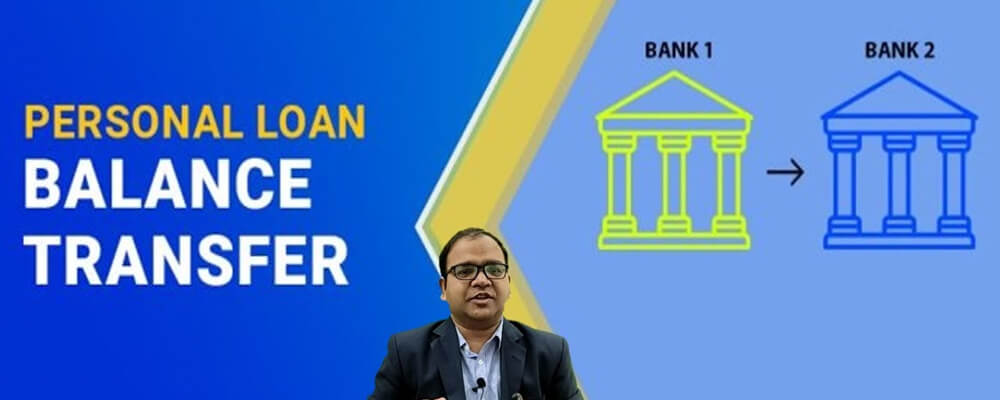

Managing multiple loan repayments can become financially challenging, especially when borrowers are paying high interest rates. A personal loan balance transfer offers an opportunity to reduce borrowing costs by transferring an existing loan to another lender offering more favorable terms. When used wisely, a balance transfer can simplify debt management, lower monthly payments, and improve overall financial stability.
A personal loan balance transfer is the process of moving the outstanding balance of an existing personal loan from one financial institution to another, usually to obtain a lower interest rate, better repayment terms, or additional financial benefits. Understanding how balance transfers work helps borrowers make informed decisions and reduce the overall cost of borrowing.
What is Personal Loan Balance Transfer
A personal loan balance transfer is a financial facility that allows a borrower to transfer their outstanding loan amount from one lender to another. This is usually done to take advantage of better terms such as lower interest rates or improved repayment conditions.
In simple terms, it means switching your existing loan to a new lender who offers more favorable conditions. This option is available during the active tenure of the loan, provided the borrower meets the eligibility criteria set by the new lender.
Although it may seem like a straightforward process, it is important to carefully evaluate the overall cost involved. A borrower may have to pay foreclosure charges to the current lender and processing fees to the new lender. Therefore, the decision should always be based on whether the overall savings outweigh these additional costs.
Why Do People Choose a Personal Loan Balance Transfer?
Borrowers often transfer personal loans to reduce their interest costs, consolidate debt, or obtain better repayment terms. Financial institutions may offer promotional interest rates, flexible repayment periods, or lower processing fees that make transferring an existing loan financially attractive.
However, borrowers should compare all applicable charges, repayment conditions, and total borrowing costs before deciding whether a balance transfer is beneficial.
Example of a Personal Loan Balance Transfer
A borrower has a personal loan with Bank A carrying a 14% annual interest rate. Another bank offers a balance transfer at 10% with lower processing fees. After calculating the total cost, including transfer fees, the borrower determines that switching lenders will reduce the total interest payable over the remaining loan term. The balance transfer allows the borrower to lower monthly payments and repay the loan more efficiently.
Benefits of a Personal Loan Balance Transfer
| Benefit | Explanation |
|---|---|
| Lower Interest Rate | Reduces the overall cost of borrowing |
| Lower Monthly Installments | Improves monthly cash flow |
| Better Loan Terms | May provide longer repayment periods or flexible conditions |
| Debt Consolidation | Simplifies repayment by combining obligations |
| Improved Financial Management | Makes budgeting and repayment easier |
A personal loan balance transfer offers several advantages when used strategically. It is often referred to as refinancing because the loan is effectively restructured under a new lender.
1. Lower Interest Rates
One of the primary reasons for opting for a balance transfer is to reduce the interest rate on the loan. Even a small difference in interest rate can lead to significant savings over time.
For the transfer to be financially beneficial, the difference in interest rates should ideally be at least 1% or more. This is because additional costs such as foreclosure charges and processing fees must also be considered.
Timing also plays a crucial role. In the initial years of a loan, most of the EMI goes toward interest rather than principal repayment. Therefore, transferring the loan in the early or middle stage of the tenure can result in maximum savings.
2. Flexibility in Loan Tenure
A balance transfer allows you to restructure your loan tenure based on your current financial situation. This flexibility can help you manage your monthly payments more effectively.
If your income has increased, you may opt for a shorter tenure to repay the loan faster and reduce overall interest. On the other hand, if you need financial relief, you can choose a longer tenure to reduce your EMI burden.
However, it is important to note that a longer tenure may increase the total interest paid over time. Therefore, careful planning is required to strike the right balance between affordability and cost.
3. Top-up or Additional Funding
Another major advantage of a personal loan balance transfer is the option to avail additional funds. The new lender may offer a top-up loan along with the balance transfer at competitive interest rates.
This means your new loan will include both the outstanding balance and the additional borrowed amount. This feature is especially useful if your initial loan amount was insufficient for your needs.
For example, if you took a loan for home renovation but later require more funds, a balance transfer with a top-up facility can provide the extra financial support. However, it is important to remember that this also increases your overall debt.
4. Improved Loan Terms and Conditions
Switching lenders gives you an opportunity to negotiate better loan terms. These may include lower processing fees, better repayment options, or fewer penalties.
Borrowers often face issues such as high charges, poor service, or limited payment options with their existing lender. A balance transfer allows them to move to a lender that offers more convenient and customer-friendly services.
This improvement in service quality can make loan management easier and more efficient.
5. Better Customer Experience
A new lender may offer enhanced customer support, faster processing, and more flexible payment methods. This can significantly improve your overall borrowing experience.
If your current lender is not responsive or lacks transparency, switching to a more reliable institution can help reduce stress and improve financial control.
In many cases, existing customers of a bank may also receive preferential treatment, making the process smoother and more beneficial.
6. Opportunity to Optimize Finances
A personal loan balance transfer provides an opportunity to reassess your financial position and optimize your loan structure. It allows you to align your loan with your current income, expenses, and future financial goals.
By carefully evaluating the terms of the new loan, you can ensure better financial planning and reduce unnecessary costs.
Balance Transfer vs Loan Refinancing
| Balance Transfer | Loan Refinancing |
|---|---|
| Transfers an existing loan to another lender | Replaces an existing loan with a new loan, which may be from the same or a different lender |
| Primary objective is often a lower interest rate or better terms | May change the loan amount, repayment period, or other conditions |
| Common for personal loans and credit cards | Used for mortgages, auto loans, personal loans, and other borrowing |
Things to Consider Before Transferring a Loan
This section adds significant practical value.
Before transferring a personal loan, borrowers should carefully review:
- Interest rate after any promotional period
- Processing or transfer fees
- Loan tenure
- Prepayment or foreclosure charges
- Eligibility requirements
- Credit score impact
- Total borrowing cost over the life of the loan
Comparing these factors helps determine whether the balance transfer will actually result in financial savings.
Frequently Asked Questions (FAQs)
What is a personal loan balance transfer?
A personal loan balance transfer is the process of moving an outstanding loan from one lender to another to obtain more favorable borrowing terms.
Does a balance transfer reduce interest?
It can, provided the new lender offers a lower interest rate and the total borrowing cost, including fees, is lower.
Does a balance transfer affect my credit score?
It may have a temporary effect depending on the lender’s credit assessment and the applicable credit reporting system, but responsible repayment can support long-term credit health.
Is a balance transfer the same as refinancing?
Not exactly. While similar, refinancing may involve broader changes to the loan terms, amount, or structure.
Who should consider a balance transfer?
Borrowers paying relatively high interest rates who qualify for more favorable loan terms elsewhere may benefit, provided they carefully compare the total costs.
Conclusion
A personal loan balance transfer can be an effective financial strategy for borrowers seeking lower interest rates, improved repayment terms, or simplified debt management. Before transferring a loan, it is important to compare the total cost of borrowing, including fees, repayment conditions, and the long-term financial impact.
As digital banking continues to expand, comparing and transferring loans has become more accessible than ever. By evaluating available options carefully and selecting a lender that best meets their financial needs, borrowers can make informed decisions that support better long-term financial management.
See Also: What is Sole Proprietorship | Advantages and Disadvantages