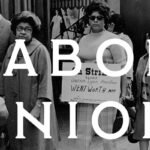


Conflict is a process in which a particular party perceives that its interests are negatively affected or opposed by another party. It occurs when individuals disagree over important issues, creating friction between them. Conflict can arise when people have opposing feelings, interests, and perceptions.
Organizational conflict occurs when a stakeholder group pursues its interests at the expense of other stakeholders. Given the different goals of stakeholders, conflict is inevitable in organizations. Although conflict is often associated with negative situations such as anger or violence, it can also improve effectiveness when managed properly. However, when it exceeds a certain level, it can harm the organization.
Why Conflict Occurs in Organizations
Conflict is a natural part of organizational life because employees often have different goals, personalities, values, opinions, and work styles. Whenever individuals or groups interact, disagreements may arise regarding resources, responsibilities, priorities, or decision-making.
Although conflict is often viewed negatively, not all conflict is harmful. In some situations, conflict can stimulate creativity, encourage discussion, improve decision-making, and promote organizational improvement.
Understanding the causes and effects of conflict helps managers address workplace issues more effectively and maintain productive working relationships.
Common Causes of Workplace Conflict
| Cause | Explanation |
|---|---|
| Poor Communication | Misunderstandings and confusion |
| Personality Differences | Different attitudes and behaviors |
| Resource Scarcity | Competition for limited resources |
| Goal Differences | Conflicting objectives |
| Role Ambiguity | Unclear responsibilities |
| Organizational Change | Resistance to new policies or procedures |
Transitions in Conflict Thought
Under the traditional view, conflict is seen as a process in which individuals disagree on certain issues, resulting in clashes between parties. This view considers conflict harmful and dysfunctional because efforts toward incompatible objectives waste time and prevent individuals and organizations from reaching their full potential.
On the other hand, the interactionist view suggests that conflict can enhance problem-solving and creativity when it focuses on issues rather than personalities. Open discussions of different viewpoints allow for thorough evaluation of alternatives during decision-making.
The human relations view considers conflict a natural occurrence that should be accepted. Conflict can also increase motivation and energize individuals to focus on tasks.
Is Conflict Good or Bad
Conflict can have both positive and negative outcomes. On the positive side, it can increase energy in competition and help participants focus on tasks. It can also strengthen group cohesion and encourage open discussions.
On the negative side, participants may lose sight of common goals and focus only on winning. It can lead to a lack of cooperation and distorted judgment. Additionally, those who lose in a conflict may feel demoralized, which can negatively affect overall organizational performance and long-term relationships.
How Conflict Improves Effectiveness
Conflict can improve effectiveness by forcing organizations to reassess their views, overcome inertia, and introduce change. It also improves the quality of decision-making by encouraging the consideration of different perspectives.
Types and Levels of Conflict
Conflict can occur in several forms. Intergroup conflict happens when groups inside or outside the organization disagree on issues. Interpersonal conflict arises from differences in values, objectives, and styles between individuals who must interact.
Intragroup conflict occurs within a workgroup over tasks, procedures, or goals. Intrapersonal conflict refers to internal struggles within an individual involving differing values, objectives, or roles.
Intergroup conflict can occur at two levels: horizontal and vertical. Horizontal conflict occurs between groups at the same organizational level, while vertical conflict occurs between groups at different levels.
Types of Conflict
1. Task Conflict
Conflict related to work objectives and content.
2. Relationship Conflict
Conflict arising from interpersonal relationships.
3. Process Conflict
Conflict related to how work is performed.
Individual Conflict Management Styles
1. The Obliging Style
This style involves a high concern for others and a low concern for self. It focuses on satisfying others’ needs while ignoring personal needs. It is suitable when knowledge is limited, issues are unimportant, or long-term cooperation is required.
2. The Avoiding Style
This style reflects low concern for both self and others and involves ignoring or avoiding the problem. It is useful when emotions are high and parties need time to cool down.
3. The Integrative Style
This style shows a high concern for both self and others. It emphasizes openness, collaboration, and information sharing. It is suitable for complex problems requiring long-term solutions.
4. The Dominating Style
This style reflects high concern for self and low concern for others. It focuses on achieving personal objectives, often at the expense of others. It is useful when quick decisions are needed or when the issue is highly important.
5. The Compromising Style
This style involves a moderate concern for both self and others. It aims to find a middle ground where all parties gain something. It is useful when parties have equal power and need a quick resolution.
Managers’ Ways to Manage Conflict
Managers can manage conflict by either stimulating or reducing it. They can apply attitudinal or behavioral approaches.
Behavioral approaches target actions that cause conflict, while attitudinal approaches address underlying beliefs, emotions, and perceptions.
Behavioral methods include separating conflicting parties, enforcing rules, introducing competition, clarifying tasks, increasing resources, and rewarding cooperation.
Attitudinal methods include team building, rotating members, organizational development, and increasing resources. Managers can also stimulate change by increasing task ambiguity, introducing change, or creating interdependence.
Functional Conflict vs Dysfunctional Conflict
| Functional Conflict | Dysfunctional Conflict |
|---|---|
| Improves decision-making | Reduces productivity |
| Encourages innovation | Creates tension |
| Promotes problem-solving | Damages relationships |
| Supports organizational growth | Creates workplace disruption |
| Positive impact on performance | Negative impact on performance |
Example of Workplace Conflict
Suppose a marketing department and a finance department disagree about the budget required for a new advertising campaign.
The marketing team believes additional spending is necessary to increase sales, while the finance team wants to reduce costs and maintain budget controls.
If managed effectively, discussions between the two departments may lead to a balanced solution that supports both business growth and financial stability.
This example demonstrates how conflict can sometimes produce positive outcomes when handled constructively.
The Role of Human Resource Management in Conflict Resolution
Human Resource Management plays a significant role in preventing and resolving workplace conflicts. HR professionals develop policies, facilitate communication, investigate disputes, and promote fair treatment throughout the organization.
They may also provide conflict resolution training, mediation services, and employee counseling to help maintain positive workplace relationships.
Effective HR practices reduce the likelihood of destructive conflict and encourage constructive conflict management.
Conflict Management Strategies
| Strategy | Purpose |
|---|---|
| Avoidance | Delay confrontation temporarily |
| Accommodation | Preserve relationships |
| Compromise | Find a mutually acceptable solution |
| Collaboration | Create a win-win outcome |
| Competition | Achieve a specific objective quickly |
When organizations manage conflict effectively, they can improve communication, strengthen teamwork, encourage innovation, and enhance employee satisfaction.
Proper conflict management also reduces workplace stress, prevents productivity losses, and promotes a positive organizational culture. As a result, managers should focus not only on resolving conflicts but also on using them as opportunities for organizational learning and improvement.
Frequently Asked Questions (FAQs)
What is conflict in HRM?
Conflict in HRM refers to disagreements or disputes between individuals, groups, or departments within an organization.
Is conflict always harmful?
No. Functional conflict can improve decision-making, innovation, and problem-solving, while dysfunctional conflict may negatively affect performance and relationships.
What are the main types of conflict?
Common types include interpersonal conflict, intragroup conflict, intergroup conflict, organizational conflict, and task-related conflict.
What causes workplace conflict?
Major causes include poor communication, personality differences, resource scarcity, unclear roles, and conflicting goals.
How can organizations manage conflict effectively?
Organizations can use communication, mediation, collaboration, compromise, and conflict resolution policies to manage workplace disputes.
Conclusion
Conflict in HRM is an unavoidable part of organizational life due to differing interests and perspectives. While it can create challenges, it can also improve decision-making, creativity, and performance when managed effectively. Understanding the types, causes, and management styles of conflict helps organizations maintain balance and achieve better outcomes.