
In marketing, a product is more than a physical item. Customers purchase products because they expect benefits, solutions, and experiences that satisfy their needs and wants. To better understand customer value, marketers use the concept of product levels, which explains how a product delivers value beyond its basic function.
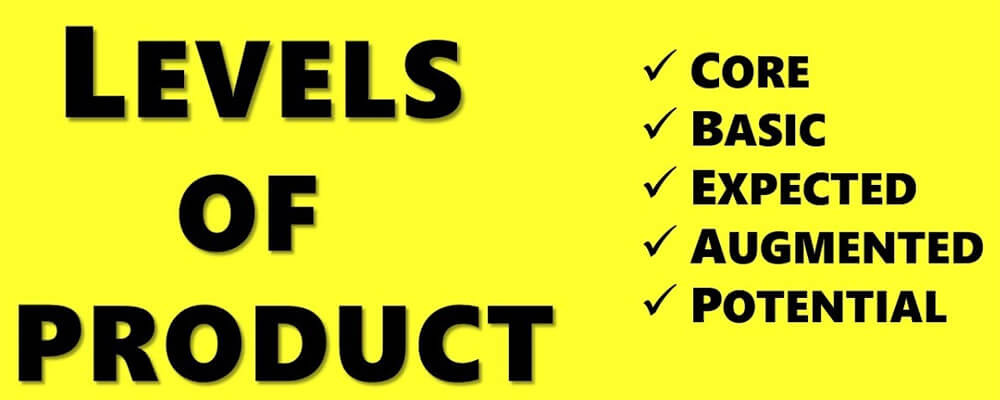
The Levels of Product model helps businesses develop products that meet customer expectations, differentiate themselves from competitors, and build long-term customer satisfaction. This article explains the five levels of a product, practical examples, and their importance in modern marketing.
What is Product?
A product is any market offering that can be presented to obtain attention, acquisition, use, or consumption, and that satisfies a need or want.
It includes not only physical goods but also services, organizations, people, places, and ideas.
“Pure” services are different from physical products because they are intangible, inseparable, variable, and perishable.
What is Service?
A service is a type of product that consists of benefits, activities, or satisfactions offered for sale. It is essentially intangible and does not result in ownership of anything.
Product should be carefully defined because it is a complex concept. It is the starting point of strategic planning and is considered the first variable of the marketing mix.
Product strategy requires coordinated decisions regarding product lines, individual products, and product mixes.
Why the Levels of Product are Important
Before explaining the five levels, include a short paragraph describing why this concept is essential in marketing.
Explain that understanding product levels enables businesses to identify what customers truly value. By enhancing benefits beyond the core product, organizations can differentiate their offerings, strengthen brand loyalty, and improve the overall customer experience.
Five Levels of a Product
| Product Level | Description |
|---|---|
| Core Benefit | The fundamental need or benefit the customer seeks |
| Basic Product | The physical product or service itself |
| Expected Product | Features and conditions customers normally expect |
| Augmented Product | Additional features and services that differentiate the product |
| Potential Product | Future improvements and innovations that may enhance customer value |
There are three levels of a product that marketers must consider when designing products and services for customers.
1. The Core Product
When customers purchase a product, they are actually buying the basic benefit or solution it provides. This is known as the core product.
It answers the key question: What is the buyer really purchasing?
2. The Actual Product
The actual product includes the features that combine to deliver the core benefit. These features make the product tangible and identifiable.
These include:
- Quality level
- Design
- Features
- Packaging
- Brand name
All of these elements work together to create the product that customers recognize and evaluate.
3. The Augmented Product
The augmented product includes additional benefits and services that are built around the core and actual product.
These may include after-sales service, warranties, delivery, and customer support, which enhance the overall customer experience.
Final Understanding of Product
A product is not limited to just physical characteristics. Consumers view products as a bundle of benefits that satisfy their needs and wants.
Therefore, when developing a product, marketers should follow three key steps:
- Identify the basic needs that the product will satisfy
- Design the actual product
- Determine how to enhance the product to deliver greater value and a better customer experience
Levels of Product in the Digital Era
Modern businesses increasingly compete through augmented and potential product levels.
Digital services such as mobile applications, software updates, online customer support, personalized recommendations, subscription services, and artificial intelligence have become important sources of competitive advantage. In many industries, these additional services influence purchasing decisions as much as the physical product itself.
Practical Example of the Levels of Product
A smartphone provides an excellent example of the five product levels.
The core benefit is communication and connectivity. The basic product is the smartphone itself with its hardware and operating system. The expected product includes features such as a reliable battery, camera, touchscreen, and internet access. The augmented product may include a warranty, cloud storage, technical support, and software updates. The potential product represents future innovations such as enhanced artificial intelligence, foldable displays, or new smart features that improve the user experience.
This example helps readers understand how each level contributes to customer value.
Difference between Product and Service
| Product | Service |
|---|---|
| Tangible | Intangible |
| Can be stored | Cannot usually be stored |
| Ownership transferred | Ownership generally not transferred |
| Quality more standardized | Quality often varies |
| Production and consumption are separate | Production and consumption often occur simultaneously |
Frequently Asked Questions (FAQs)
What are the levels of a product?
The levels of a product describe the different layers of value that a product provides, from the core benefit to future potential improvements.
What are the five levels of a product?
The five levels are the core benefit, basic product, expected product, augmented product, and potential product.
Why are the levels of a product important?
They help businesses understand customer needs, create additional value, differentiate products, and improve customer satisfaction.
What is an augmented product?
An augmented product includes additional services or features, such as warranties, customer support, installation, or free delivery, that increase customer value.
How has technology influenced product levels?
Technology has expanded augmented and potential products through software updates, digital services, artificial intelligence, cloud storage, and personalized customer experiences.
Conclusion
The Levels of Product concept demonstrates that customers purchase much more than a physical product. By understanding the core benefit, basic product, expected product, augmented product, and potential product, businesses can create greater customer value and strengthen their competitive position.
As customer expectations continue to evolve, organizations increasingly focus on enhancing augmented and potential product levels through innovation, technology, and superior customer service. Businesses that successfully deliver value across all product levels are better positioned to build customer loyalty and achieve long-term marketing success.
See Also: Market Segmentation and Its Levels