
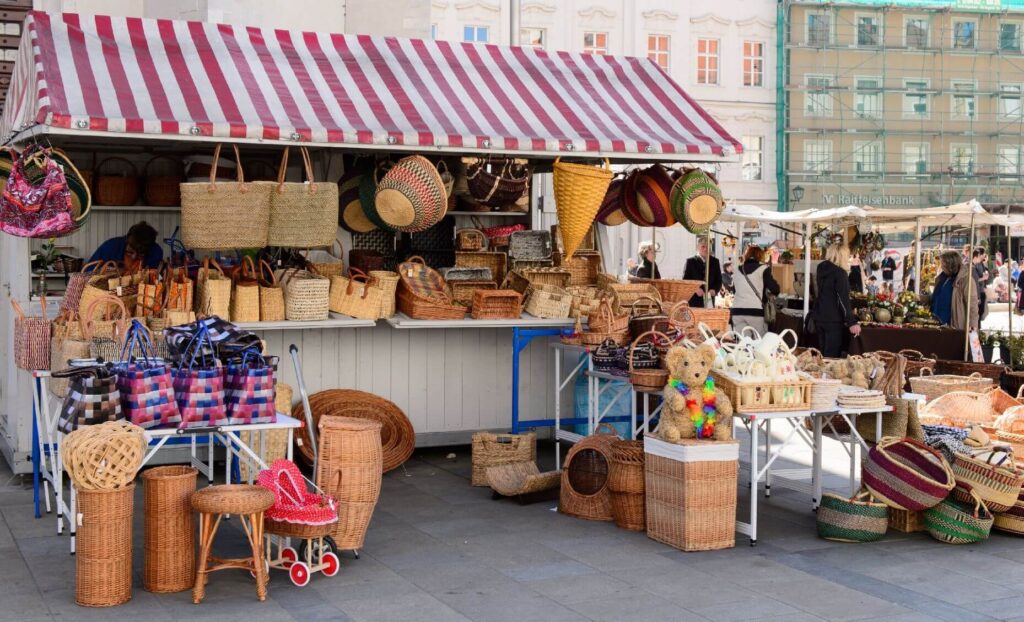

Every business depends on a market to sell its products or services and every consumer depends on markets to satisfy their needs and wants.
Markets facilitate the exchange of goods and services, determine prices through the interaction of demand and supply, and contribute to economic growth by connecting buyers and sellers. Whether physical or digital, markets are the foundation of all commercial activities.
A market is a place, system, or medium where buyers and sellers interact to exchange goods, services, or resources at mutually agreed prices.
Modern markets are no longer limited to physical locations; they also include online platforms that enable businesses to reach customers across the world. Understanding the different types of markets helps businesses develop effective strategies and respond to changing consumer demands.
Why Markets are Important?
Markets are important because they provide businesses with opportunities to sell products and services while allowing consumers to access a wide variety of goods that satisfy their needs. They promote healthy competition, encourage innovation, improve product quality, and help determine prices through the forces of demand and supply.
Markets also contribute to economic development by creating employment opportunities, supporting entrepreneurship, increasing production, and facilitating domestic and international trade. Efficient markets enable businesses to grow while improving consumer welfare.
Example of Different Markets
A farmer sells fresh vegetables at a local marketplace, serving customers within the surrounding community. Later, the same farmer begins selling organic products through an e-commerce website, reaching customers across the country.
Eventually, the business exports packaged products to international buyers. This example illustrates how one business can operate in local, national, online, and international markets simultaneously.
Major Types of Markets
| Type of Market | Description |
|---|---|
| Consumer Market | Products sold directly to final consumers |
| Business Market | Businesses selling products or services to other businesses |
| Local Market | Operates within a limited geographic area |
| National Market | Covers an entire country |
| International Market | Buyers and sellers from different countries |
| Online Market | Transactions conducted through digital platforms |
Markets may be classified into the following main categories:
- Commodity Markets
- Capital Markets
1. Commodity Markets
Commodity markets are those markets where different types of transactions related to goods are carried out. These markets deal with the buying and selling of various commodities.
Depending on the nature of goods traded, commodity markets are further classified into the following types:
1.1 Produce Markets
Produce markets deal with raw goods, including both agricultural and mineral products. A produce market may specialize in a single type of commodity or handle several related commodities within a group.
Well-organized produce markets exist in almost all notable cities of Pakistan. Although these markets may operate within specific localities, they cover wide areas in terms of trade and supply.
1.2 Manufactured Goods Markets
Manufactured goods markets deal with semi-manufactured and fully finished goods such as sugar, leather, garments, textiles, and machinery.
In modern times, separate markets have developed for specific types of manufactured goods. This specialization makes trade more efficient and organized.
1.3 Bullion Markets
Bullion markets are highly specialized centers of trade where precious metals such as gold and silver are bought and sold.
Diamond markets, where precious stones are traded, are also considered part of bullion markets. However, in many large cities around the world, bullion and diamond markets operate separately due to their specialized nature.
2. Capital Markets
Capital markets are markets where transactions related to financial assets take place. These include dealings in money, bills, shares, securities, and other financial instruments.
Capital markets may be classified into the following types:
2.1 Money Markets
Money markets consist of banks and financial institutions that deal with short-term funds. The main function of money markets is to collect deposits and provide capital for investment by advancing loans to both public and private sectors.
These markets are open to individuals as well as organizations for financial transactions.
2.2 Foreign Exchange Markets
The foreign exchange market is a specialized market that deals with currency exchange transactions between countries. It facilitates the buying and selling of foreign currencies at the local level.
Both public and private sectors have access to foreign exchange markets. Banks and financial institutions usually maintain special sections to handle foreign currency deposits and transactions.
Alongside these markets are money exchange centers that deal in the exchange of local and foreign currencies. These markets operate under the existing laws of the country.
2.3 Stock Exchange Markets
Stock exchange markets deal with the buying and selling of shares and securities. Participants include individuals, companies, and institutions from both public and private sectors.
The stock exchange market reflects the overall economic condition of a country. It tends to grow with economic expansion and decline when economic activity slows down.
Traditional Market vs Online Market
| Traditional Market | Online Market |
|---|---|
| Physical location | Internet-based platform |
| Face-to-face transactions | Digital transactions |
| Limited geographic reach | Global customer reach |
| Fixed business hours | Available 24/7 |
| Cash or physical payments | Electronic payment systems |
Frequently Asked Questions (FAQs)
What is a market?
A market is a place or system where buyers and sellers exchange goods and services at mutually agreed prices.
Why are markets important?
Markets facilitate trade, determine prices, encourage competition, support economic growth, and help businesses satisfy consumer needs.
What are the main types of markets?
The major types include consumer markets, business markets, local markets, national markets, international markets, and online markets.
What is the difference between a traditional market and an online market?
A traditional market operates in a physical location, while an online market allows buyers and sellers to conduct transactions through the internet.
How has technology changed modern markets?
Technology has expanded digital commerce, online payments, global market access, and electronic communication, making markets more efficient and accessible.
Conclusion
Markets are essential to every economy because they connect buyers and sellers, facilitate the exchange of goods and services, and help determine prices through the interaction of demand and supply.
Different types of markets serve different business needs, allowing organizations to reach customers at the local, national, and international levels.
As technology continues to transform commerce, digital markets have become an important part of modern business operations. Organizations that understand market dynamics, respond to changing consumer behavior, and adopt innovative business strategies are better positioned for sustainable growth and long-term success.
See Also: Tips to Make Organization Profitable