
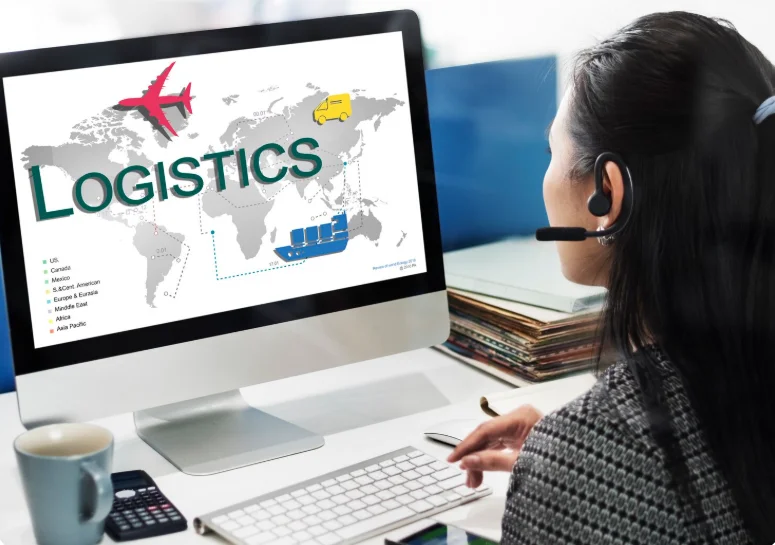

Logistics is a vital component of marketing because it ensures that products are delivered to customers at the right place, at the right time, and in the right condition. As part of the Place (Distribution) element of the marketing mix, logistics connects production with consumption by managing the efficient flow of goods, information, and resources throughout the supply chain.
Effective logistics enables businesses to reduce costs, improve customer satisfaction, enhance product availability, and gain a competitive advantage. Modern logistics goes beyond transportation by including inventory management, warehousing, order processing, packaging, and information systems that work together to support marketing objectives.
This article explains the major logistics functions, their importance, practical applications, advantages, and their role in modern marketing.
What is Logistics?
Logistics refers to the process of storing, handling, and transporting products and services so customers can receive them in the right condition, at the right time, and at the right location.
The main goal of logistics is to meet customer requirements while minimizing operational costs. Businesses design logistics systems according to their objectives and market needs.
Why Logistics is Important in Marketing
Logistics ensures that products are available where and when customers need them. Efficient logistics reduces delivery times, minimizes inventory costs, improves customer satisfaction, and supports successful marketing strategies.
Without an effective logistics system, even high-quality products supported by excellent promotion and competitive pricing may fail to satisfy customers because of delayed deliveries or poor product availability.
See Also: Introduction to Marketing | Definition | Process | 7 P’s of Marketing
Major Logistics Functions
| Logistics Function | Purpose |
|---|---|
| Transportation | Move products efficiently |
| Warehousing | Store products safely until needed |
| Inventory Management | Maintain optimal stock levels |
| Order Processing | Handle customer orders accurately |
| Packaging | Protect products during handling and transport |
| Materials Handling | Move products within facilities |
| Information Management | Track inventory and shipments |
A logistics system performs several important functions to ensure the smooth flow of goods. The major logistic functions are discussed below.
1. Order Processing
Order processing is the first major logistics function. It begins when a customer places an order. Orders can be submitted in different ways such as by mail, telephone, through sales representatives, online platforms, or computerized systems like Electronic Data Interchange (EDI).
Once the order is received, it must be processed quickly and accurately. Efficient order processing benefits both the company and the customer by reducing delays and improving service quality.
Modern companies use computerized systems that speed up order processing activities such as billing, shipping, inventory checking, and production scheduling. These systems help organizations handle customer orders more efficiently.
2. Warehousing
Warehousing is another important logistics function because businesses often need to store products before they are sold or distributed. There is usually a gap between production and consumption, making storage necessary.
Companies must decide how many warehouses they need, what type of warehouses they should use, and where those warehouses should be located.
Warehousing generally takes two forms.
Storage Warehouses
Storage warehouses are used to store goods for medium or long periods. These warehouses help businesses maintain product availability when demand is uncertain.
Distribution Centers
Distribution centers focus more on the movement of goods rather than long-term storage. These centers are highly automated and designed to receive products from suppliers, process customer orders, and quickly distribute goods.
Modern warehouses use computerized systems, robotics, and automation to improve efficiency and reduce labor costs.
3. Inventory Management
Inventory management is one of the most critical logistics functions because businesses must maintain the right level of inventory.
Keeping too much inventory increases storage costs and may result in product obsolescence. On the other hand, keeping too little inventory may lead to stock shortages, emergency shipping costs, and customer dissatisfaction.
Businesses must maintain a proper balance between inventory costs and customer demand.
One modern inventory method is the Just-in-Time (JIT) system. Under this system, businesses maintain low inventory levels and order products only when customer demand arises. This reduces storage costs and improves efficiency.
4. Transportation
Transportation involves moving goods from producers to warehouses, retailers, and final customers. It is one of the most important logistics functions because it directly affects delivery speed, product pricing, and customer satisfaction.
Businesses choose transportation methods based on cost, speed, product type, and delivery requirements. There are five major transportation modes used in logistics.
Rail Transportation
Rail transportation is widely used for transporting large quantities of bulk goods over long distances at lower costs. Products such as coal, minerals, agricultural goods, and heavy materials are commonly transported through rail systems.
Truck Transportation
Truck transportation is highly flexible and widely used for short-distance deliveries. It provides faster service than rail transport and is commonly used for transporting high-value goods within cities and nearby regions.
Pipeline Transportation
Pipelines are mainly used for transporting petroleum, natural gas, and chemicals. This method is highly specialized and is usually used by companies transporting their own products.
Air Transportation
Air transportation is the fastest mode of transportation. It is commonly used for delivering highly valuable, small, or perishable goods.
Although air transport is expensive, it is useful when quick delivery is required.
Water Transportation (Shipping)
Water transportation is one of the oldest transportation methods. It is mainly used for international trade and transporting heavy goods in large quantities.
Although it is slower than other transportation methods, it is often more cost-effective for bulk shipments.
Logistics vs Supply Chain Management
This is one of the most commonly confused concepts.
| Logistics | Supply Chain Management |
|---|---|
| Focuses on moving and storing goods | Manages the entire flow from suppliers to customers |
| Primarily concerned with distribution | Includes procurement, production, logistics, and customer service |
| One component of supply chain management | Broader business process |
| Supports product availability | Optimizes the complete supply chain |
Intermodal Transportation
Many businesses combine different transportation methods to improve efficiency. These combinations are known as intermodal transportation.
Examples include:
- Fishybacks (water and trucks)
- Tranships (water and rail)
- Airtrucks (air and trucks)
These combinations help businesses reduce costs and improve delivery performance.
Logistic functions help businesses maintain smooth operations, reduce costs, improve product availability, and increase customer satisfaction.
Without effective logistics management, businesses may face delays, higher costs, inventory shortages, and dissatisfied customers.
Example of Logistics Functions
Suppose an online electronics retailer launches a nationwide promotional campaign for a new laptop.
The logistics team forecasts demand and increases inventory before the promotion begins. Products are stored in regional warehouses to reduce delivery times. Customer orders are processed through the company’s e-commerce platform, securely packaged, and shipped using reliable transportation partners. Customers receive real-time shipment tracking, ensuring transparency throughout the delivery process.
By coordinating transportation, warehousing, inventory management, packaging, and information systems, the company delivers products efficiently and improves customer satisfaction.
Logistics Functions and Their Marketing Benefits
| Logistics Function | Marketing Benefit |
|---|---|
| Transportation | Faster product availability |
| Warehousing | Reliable product supply |
| Inventory Management | Reduced stock shortages |
| Packaging | Better product protection and brand image |
| Order Processing | Improved customer satisfaction |
| Information Systems | Better customer communication |
Technological advancements have significantly transformed logistics operations. Many organizations now use warehouse automation, artificial intelligence, GPS tracking, cloud-based inventory systems, and real-time order management to improve efficiency.
E-commerce has further increased the importance of logistics by requiring faster deliveries, accurate order fulfillment, flexible return policies, and seamless customer experiences. As customer expectations continue to evolve, logistics has become a strategic marketing function rather than simply a transportation activity.
Challenges in Logistics Management
Organizations face several logistics challenges, including:
- Rising transportation costs
- Supply chain disruptions
- Inventory shortages
- Increasing customer delivery expectations
- International trade regulations
- Fuel price fluctuations
- Sustainability and environmental concerns
- Managing e-commerce returns
Businesses that invest in technology and continuously optimize logistics operations are better positioned to overcome these challenges and maintain customer satisfaction.
Frequently Asked Questions (FAQs)
What is logistics in marketing?
Logistics is the process of planning, implementing, and controlling the efficient movement and storage of products from producers to consumers.
What are the major logistics functions?
The major logistics functions include transportation, warehousing, inventory management, order processing, packaging, materials handling, and information management.
Why is logistics important in marketing?
It ensures products reach customers efficiently, improves customer satisfaction, reduces costs, and supports successful marketing strategies.
What is the difference between logistics and supply chain management?
Logistics focuses primarily on transportation and storage, while supply chain management coordinates all activities involved in moving products from suppliers to customers.
How has e-commerce changed logistics?
E-commerce has increased demand for faster deliveries, real-time tracking, efficient inventory management, automated warehouses, and flexible return systems.
Conclusion
Logistics is a fundamental component of marketing because it ensures that products are delivered efficiently from producers to consumers. Through functions such as transportation, warehousing, inventory management, packaging, order processing, and information management, logistics supports customer satisfaction and organizational success.
In today’s digital and highly competitive marketplace, businesses increasingly rely on advanced logistics technologies to improve delivery speed, reduce costs, and strengthen customer relationships. Organizations that effectively manage their logistics functions are better positioned to enhance product availability, support marketing strategies, and achieve long-term competitive advantage.
References: